
The EIGHTH Lie: Power is an Instrument of Oppression
...and the powerful should be forced to share it with the rest of us


CHAPTERS (to date):
Preface: The Ten Lies that killed Democracy // The First Lie: Liberalism //The Second Lie: Cosmopolitanism // The Third Lie: Progress // The Fourth Lie: Freedom and Liberty // The Fifth Lie: Justice // The Sixth Lie: Open-Mindedness // The Seventh Lie: Equality
TODAY WE DISCOVER THE EIGHT LIE:
Chapter Summary: In this chapter, Ashok takes a crack at the idea of Power. His contentious stance is that rather than power being oppressive, the powerful (except for sociopaths) are exceptionally responsible people whose primary interest in power is to use it to get things done. He warns that the idea of sharing power, as in a democracy, is an exercise fraught with existential danger to society. It presupposes that those who now possess this shared power will also have the responsibility to use it for the larger good of the family, organization or state. Most interestingly, he views minority power in a democracy as being procedural, which is to say coming from the norms and rules of the democratic processes itself. This, he says, is not sustainable, given that this power, not being based on real or substantive power (which comes from having control of resources), lasts only as long as procedural power exists. As soon as the genuinely powerful decide that democracy isn’t working for them, they can withdraw this shared procedural power.
THE EIGHTH LIE THAT KILLED DEMOCRACY: Power
by Ashok Panikkar
The Eighth Lie: Power is an instrument of oppression and the powerful should be forced to share it with the rest of us
Tales from the Jungle
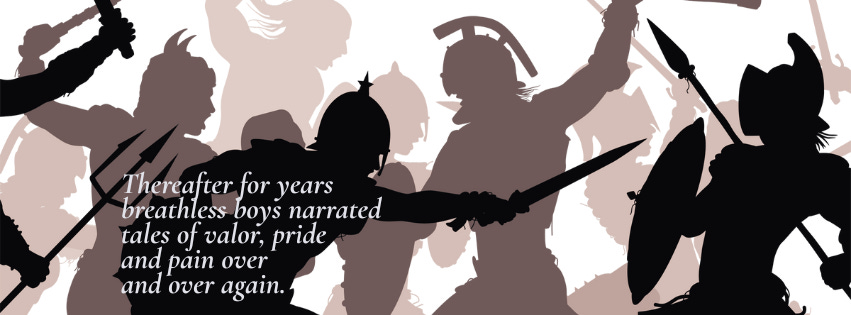
In 3C, just as the recess bell shrieked gratingly, a little tyke Chandru (T.K. Chandramohan) threw himself head first onto the reigning bully Richie (Richard Mascarenhas), catching him totally by surprise. Around the same time, in the senior section, Ashraf in 9D struck a fierce left hook to momentarily stun the school boxing champion Kenny Alvarez.
At the Infant Jesus High School, recesses were nasty, brutal and mercifully short. It was a time for settling scores, regaining honor and reinforcing boundaries. Kids who couldn’t have lasted twenty seconds in these battles egged on those who could represent them, their gladiators and champions. Thereafter, for months and even years, these battles were lyrically narrated by breathless boys who told tales of valor, pride and pain over and over again, until new kids spurred by exceptional adolescent growth spurts and new grievances unseated erstwhile toughies whose growth had stalled upon entering mid-adolescence.
Like crowds at a rowdy Greek Agora or in a Roman Colosseum, little boys instinctively knew that the fights that took place out of the withering gaze of our class teacher Mrs D’Souza —in empty classrooms, playgrounds, and stinking toilets. They were even more important to their education than grades. It was survival training. It was boot camp.
Keep reading with a 7-day free trial
Subscribe to Guerre and Shalom to keep reading this post and get 7 days of free access to the full post archives.