
Exterminating Doubt
The Anxious Generation go forth in Chapters 4&5 of EXODUS: THE QUEST FOR FREEDOM

Today we all cross the Red Sea and paid subscribers will end up at Sinai.
EXODUS: THE QUEST FOR FREEDOM
by Daniel A Clarke-Serret
CONTENTS
PROLOGUE: The Creation of Unity. Putting Humpty Dumpty together again
EXODUS: THE QUEST FOR FREEDOM. A Short Introduction
CHAPTER 1 (Shemot, Exodus 1:1-6:1): Moses, his African Wife & Conversion to Judaism
CHAPTER 2 (Va’eira, 6:2-9:35): Gandhi, the Lancastrians & the Exodus of the Egyptians
CHAPTER 3 (Bo, 10:1-13:16): And so the National Story Begins…
CHAPTER 4 (Beshallach, 13:17-17:16): Exterminating Doubt
CHAPTER 5 (Yitro, 18:1-20:23): A Kingdom of Followers
CHAPTER 6 (Mishpatim, 21:1-24:18): The Original “Judicial Coup”
CHAPTER 7 (Terumah, 25:1-27:19): Land of the Free, Home of the Brave
CHAPTER 8 (Tetzaveh, 27:20-30:10): Love Peace and Pursue it
CHAPTER 9 (Ki Tisa, 30:11-34:35): Holding out for a Leader
CHAPTER 10 (Vayakhel-Pekudei, 35:1 - 40:38): Exodus Denied: The Rejection of Freedom
CONCLUSION: Why have I written commentaries on Exodus?
EPILOGUE: A Tribute to Rabbi Jonathan Sacks
CHAPTER 4: Beshallach
Exterminating Doubt
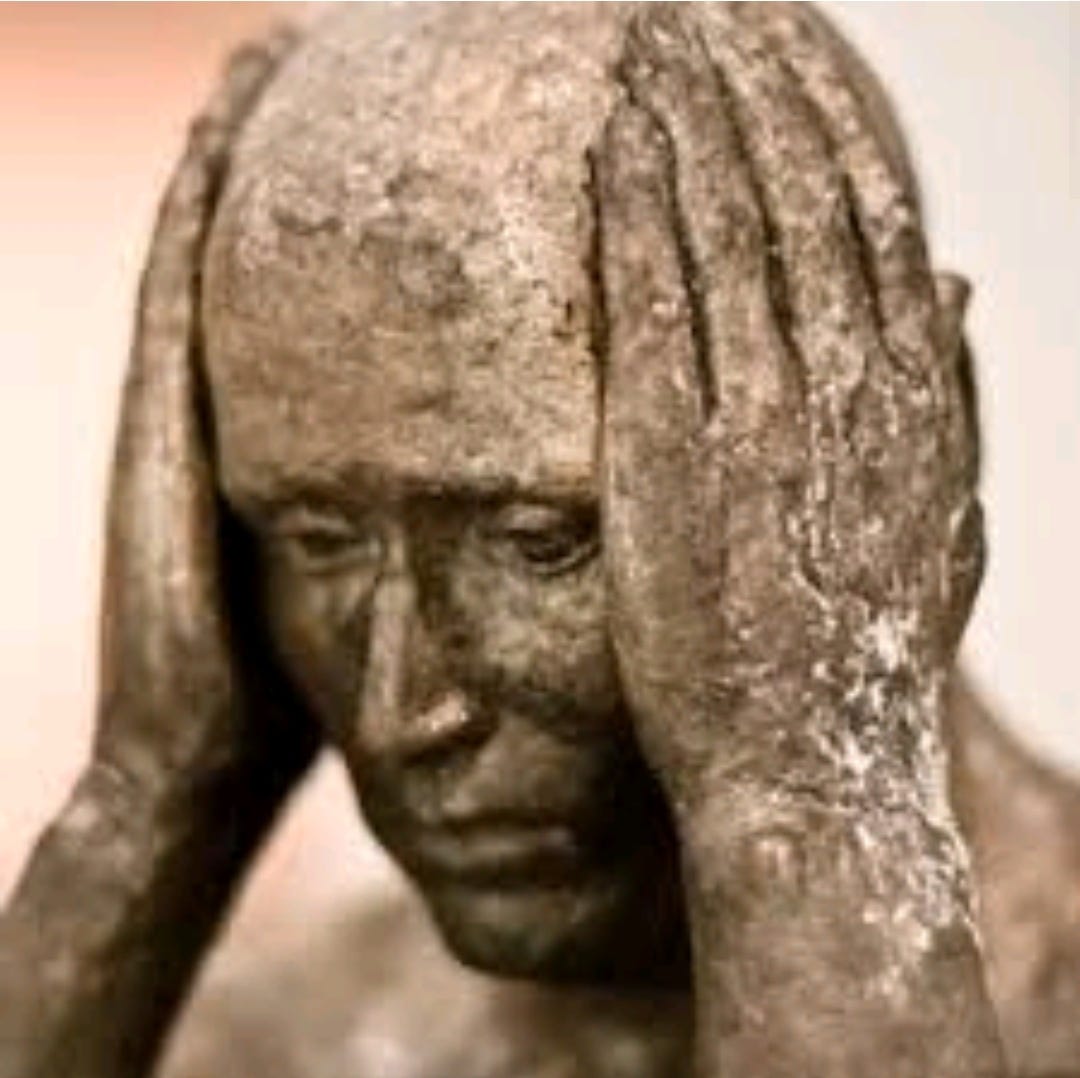
“And he called the place Massah and Meribah because the Israelites quarreled and because they tested the Lord saying, ‘Is the Lord among us or not?’ “(Exodus 17:7)
We are told that doubt and its sister anxiety are a modern phenomenon. Well the comforting news is that it’s been going on for thousands of years and according to a very Jewish interpretation of this week’s Torah portion, the Lord will be “at war” against it “from generation to generation”.
It all started so well. They had their doubts, but unlike some of their peers, they had left the land of Egypt.
But at that moment they got stuck between the Egyptian army and the sea. They were terrified. They panicked. They cried to the Lord. They questioned their leadership. “Was it because there were no graves in Egypt that you brought us to the desert to die? (14:11).
But ultimately they crossed the parted Red/Reed Sea in a blaze of glory leaving the devastated Egyptian army in its wake. “And when the Israelites saw the mighty hand of the Lord displayed against the Egyptians, the people feared the Lord and put their trust in him and in Moses his servant” (14:31). So confident were they in their own confidence that they sung of the doubt that would no doubt be sowed upon their future enemies:
“The nations will hear and tremble;
anguish will grip the people of Philistia.
The chiefs of Edom will be terrified….
the people of Canaan will melt away” (15: 14-15)
A simple formula. If we are completely confident, doubt will fall upon our enemies. Soon enough though the formula was reversed. It was the Israelites who began to doubt. Anxiety fell upon them.
The water is too bitter! There isn’t enough food! There isn’t enough meat! How about bread? How are we going to eat on the Sabbath? There isn’t any water! They left Egypt high in confidence, but the reality soon dawned. They were leaving a highly advanced society for a desert. Life wasn’t going to be picnic - literally. They would have to put their faith in God.
Yet soon enough they fell from their high, confident perch and said “Is the Lord among us or not?”
We should not read this text feeling critical about the Israelite reaction. If we were them we would have done the same. I have done the same, I left the UK for Spain. A far lesser change. And yet this very week I am thinking to myself, “Did you bring me to the land of Sepharad to live with no recognised qualifications, little chance of professional advancement and a countless range of other problems? What have you done by bringing me here?” Here you can’t even transfer money between banks at the weekend! And let’s not even talk about the restaurant service or the general daily rudeness. I have constant doubts even though I know miracle after miracle got me here (stories for another time).
I am reacting just like the Israelites. Of course they hadn’t forgotten that there was a God. Or that he had delivered them. But doubt is natural. They were scared about the future.
Natural though it may be, doubt is an enemy, an enemy that appears endlessly and tirelessly, but, according to the Torah, it must be blotted out completely. Not just expelled but exterminated —and in every generation again and again.
No sooner had the Children or Israel doubted God and feared for the future, than an army of doubt - known in Hebrew as Amalek - happened against them.
[Amalek is routinely interpreted in the Jewish tradition as meaning doubt due to the numerical value of the letters. Whether or not such a people actually existed in the past, they certainly don’t exist now; yet we are still to destroy the emotion of doubt in this and every generation according to the Torah.]
What was the only way to fight this mortal enemy? For Moses to raise his hands to the heavens. When he did that - when the people looked up and remembered their creator and deliverer - they refound their confidence and could beat doubt once more. When Moses grew tired and lowered his arms, doubt again began to regroup. Ultimately Moses strained through his tiredness and with a little help from his friends, destroyed doubt totally among his followers. At least for now….
This Torah portion tells us that doubt, anxiety and fear may be totally natural, but they are “enemies” we must fight. And that fight must be refought time and time again. Sometimes we fail to make decisions. But even more often we make decisions, we happen upon problems and then we want to give up. We want to return to Egypt/the UK.
But don’t forget to look. Look up! Remember that you were brought to this moment and for a reason. Then you will continue on —fearless.


CHAPTER 5: Yitro
A Kingdom of Followers
Exodus 19:6: “You will be for me a Kingdom of Priests”
“You will be for me a Kingdom of Priests.”
An offer, not a done deal.
And contrary to the common view, an offer clearly rejected.
A Kingdom of Priests is effectively a Kingdom of No Priests. A Kingdom where all have access to the Divine. A Kingdom where every citizen knows God and, without the need for a rule book, does the right thing.
To what can this be compared? A man who goes in front of a King. Wouldn’t he dress well? Wouldn’t he show respect? Wouldn’t he speak using the appropriate words?
He would act as an audience with the King requires, without any need for a threat of punishment. And so it is to “know God”. To act as if you were always in the presence of the Judge of all judges and the King of all kings. Scary no? And as we shall see, the people agreed.
